
Missed Call Text Back: Turn Unanswered Calls Into New Leads | My Toolbox Pro
A customer calls while standing beside a leaking water heater, trying to confirm an appointment, or looking for a service provider before the workday ends. The phone rings while the owner is driving, helping another customer, or handling a conversation that cannot be interrupted. By the time the call is returned, the customer may have contacted another company.
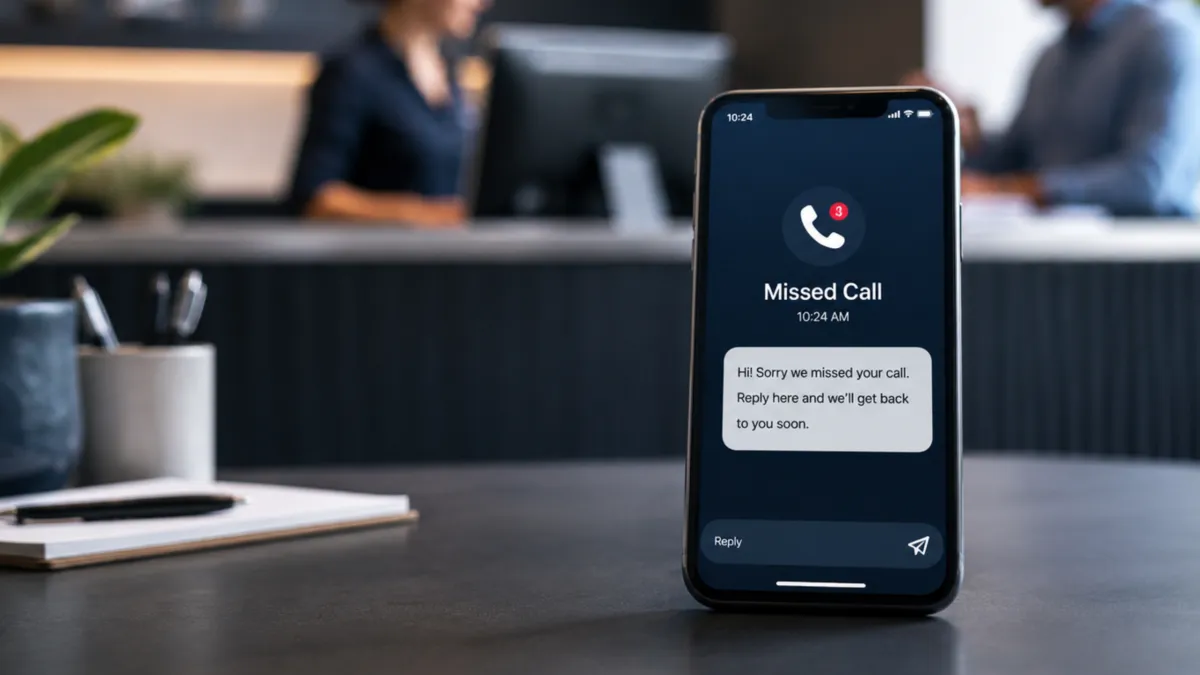
No business can answer every call immediately. A caller still needs to know whether the message was received and what to do next. Missed call text back sends an automatic text after an unanswered call, giving the caller a simple way to continue the conversation while the business catches up.
Why a Quick Text Can Keep a Lead From Going Cold
Missed call text back responds to an action the customer has already taken. The caller reached out first, so the message arrives with clear context. A brief text can identify the business, acknowledge the call, and invite the person to explain what they need.
Texting is already a familiar communication option for customers. In Text Request’s 2025 State of Business Texting Report, 58.9% of respondents selected texting as the most effective channel for getting a response. Phone calls received 21.8%, while email received 10.3%. The report also found that 84.8% wanted appointment-scheduling notifications by text.
Those results need context. Text Request collected 520 verified responses, and 92% of the respondents reported using Text Request. The findings may therefore reflect a group that is more comfortable with business texting than the general population. They provide useful insight into existing users’ preferences, though they do not prove that texting will outperform every channel for every company. (Source: Text Request)
Consider a homeowner calling an HVAC company on a hot afternoon. The technician may be working inside another customer’s home and unable to answer. A quick text confirming that the call was received allows the homeowner to describe the problem or ask about availability without repeatedly calling.
What a Missed Call Text-Back Workflow Should Do
The workflow begins when an incoming call goes unanswered. Shortly afterward, the caller receives a prepared message such as:
“Hi, this is Greenway Plumbing. Sorry we missed your call. Please reply with a few details about what you need, and someone will follow up as soon as possible.”
The customer now has a clear next step. Their reply may show that the request is urgent, that they want to schedule an appointment, or that they need basic information before continuing.
Through My Toolbox Pro, businesses can use missed-call text back alongside multi-step email and SMS follow-up. Customer communication and lead-management tools can also reduce reliance on voicemail, handwritten notes, or someone remembering to return the call later. Available features and workflow options may vary by plan and account setup.
The automatic text handles the initial acknowledgment. The next response should come from someone who can act on the information. Depending on the inquiry, that may involve returning the call, answering a question, sharing a booking link, or assigning the conversation to another team member.
Write a Message People Can Trust
A missed-call text should be easy to recognize and answer. Include the business name because the caller may have contacted several companies. Acknowledge the missed call, ask one simple question, and avoid requesting too much information in the first message.
The wording should also fit the likely reason for the call. A dental office may ask whether the caller wants to schedule or change an appointment. A home-service company may ask for a short description of the problem. When one message must cover different situations, keep it broad enough for the caller to explain what happened.
Avoid requesting payment details, passwords, detailed medical information, or other sensitive data by text. If the message is generated automatically, say so clearly. This prevents the caller from assuming that an employee is actively watching the conversation at that moment.
Federal texting requirements depend on the content of the message, the technology used, and how consent was obtained. Automated advertising or telemarketing texts generally face stricter consent requirements, including prior express written consent in covered situations. Informational or conversational replies may be treated differently.
A missed-call response should remain focused on the inquiry that prompted it. Adding unrelated promotions could change the nature of the message and create additional compliance concerns. Businesses using covered automated texts should also recognize reasonable revocation requests, including common responses such as “STOP,” and process valid opt-outs within the timeframe required by applicable law. Federal and state requirements can differ, so qualified legal guidance should be obtained before launching an automated texting program. (Source: Federal Communications Commission)
Give Every Reply a Clear Destination
A fast acknowledgment has limited value when nobody reviews the response. Before activating the workflow, decide where replies will appear, who is responsible for them, and how the team will handle messages received outside business hours.
A home-service company might prioritize messages mentioning a leak, loss of heat, or an electrical smell. A salon could direct booking questions toward its appointment process. An insurance office may route the inquiry based on the type of coverage the caller asks about.
Reviewing performance can also improve the workflow. Look at how frequently callers respond, how long the next reply takes, which inquiries lead to appointments, and where conversations tend to stop. If customers repeatedly ask the same question, the opening message may need clearer wording. If replies sit unanswered, the problem is likely the internal handoff rather than the text itself.
Missed calls will still happen during busy workdays. A thoughtful text and a defined follow-up process give callers a useful next step while helping the team keep track of conversations that deserve attention.
Explore the My Toolbox Pro platform to learn how missed-call text back, SMS follow-up, and customer communication tools can support daily lead management. You can also review the available plans and features or visit the My Toolbox Pro Blog Hub for more practical guidance.
Explore My Toolbox Pro today.


